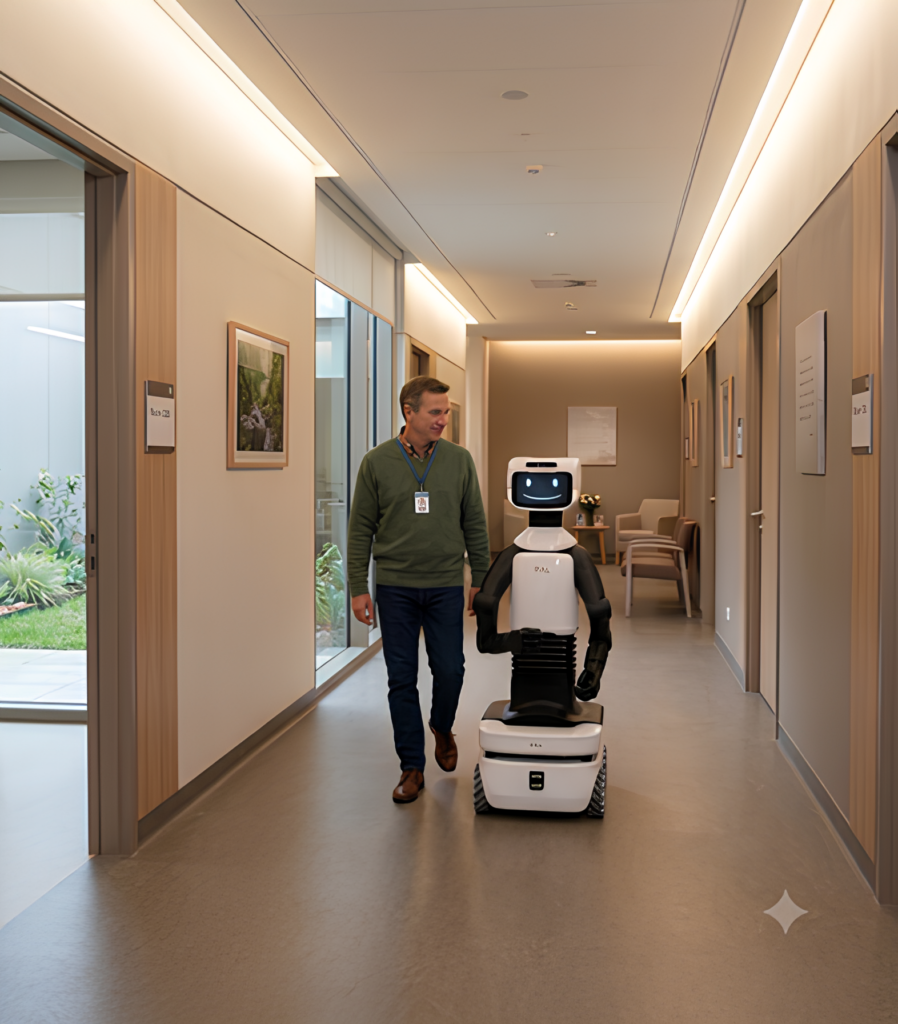
What makes human-robot interaction successful? Is it how accurately a robot performs a task, how reliably it responds, or how comfortable people feel working alongside it?
As robots increasingly enter workplaces, from manufacturing facilities to healthcare environments, their success depends on more than technical capabilities alone. A robot may perform its tasks with remarkable precision, yet still leave its human operators uncertain, uncomfortable, or overwhelmed. Effective human-robot interaction is not simply about what robots can do, but also about how people experience working and interacting with them. Understanding this relationship is an important part of developing robotic systems that can meaningfully support people in their everyday work.
Within the TORNADO project, the Foundation for Research and Technology – Hellas (FORTH) is investigating the human factors that shape these interactions. Our research focuses on five key factors: trust, acceptance, cognitive load, stress, and situation awareness, exploring how they may be influenced by robot characteristics, such as performance, accuracy, transparency, appearance, and behaviour, as well as by individual human characteristics. Building on existing human-robot interaction research, we have developed a Human Factors Framework to systematically examine these relationships and better understand what makes interactions effective, reliable, and trustworthy. After all, a robot’s behaviour does not exist in isolation: the same system may inspire confidence in one situation and uncertainty in another.
The future of robotics is not only about building more capable machines. It is also about understanding the people who will work alongside them.
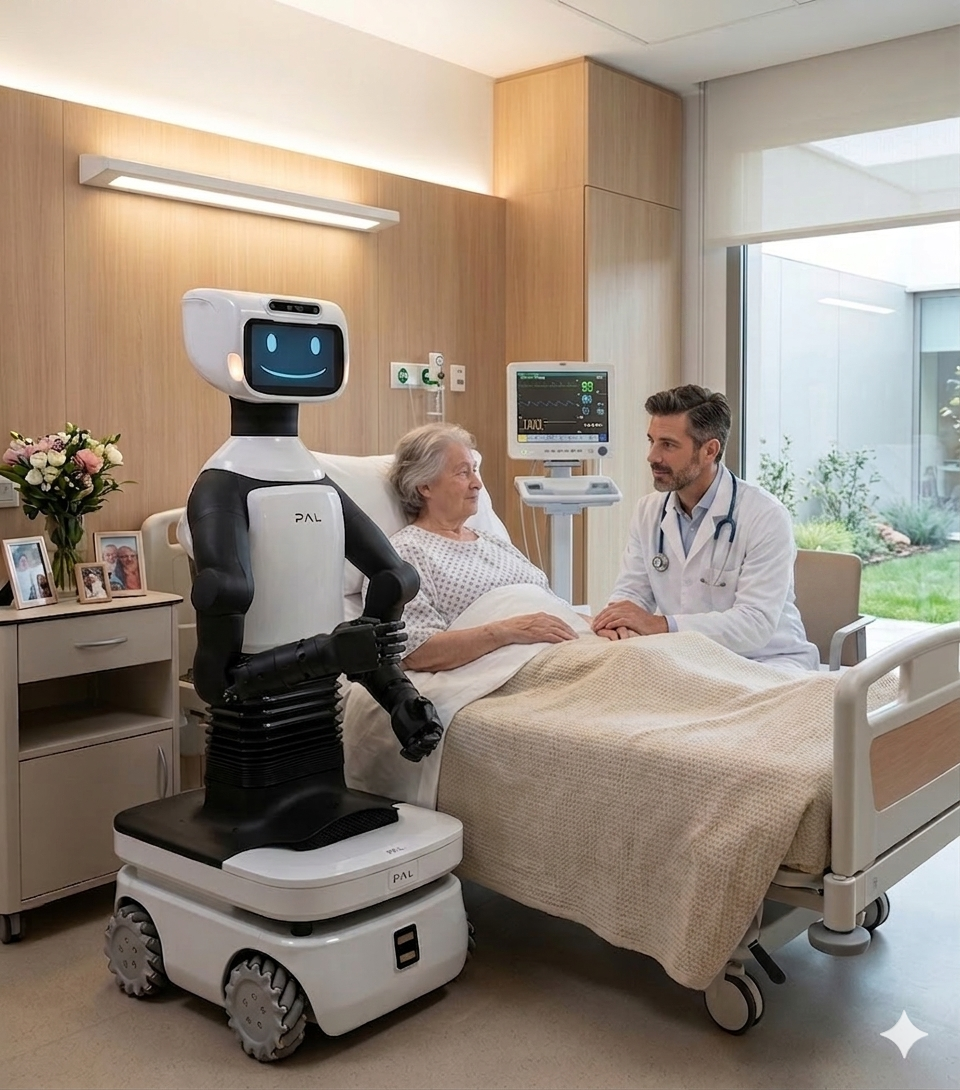
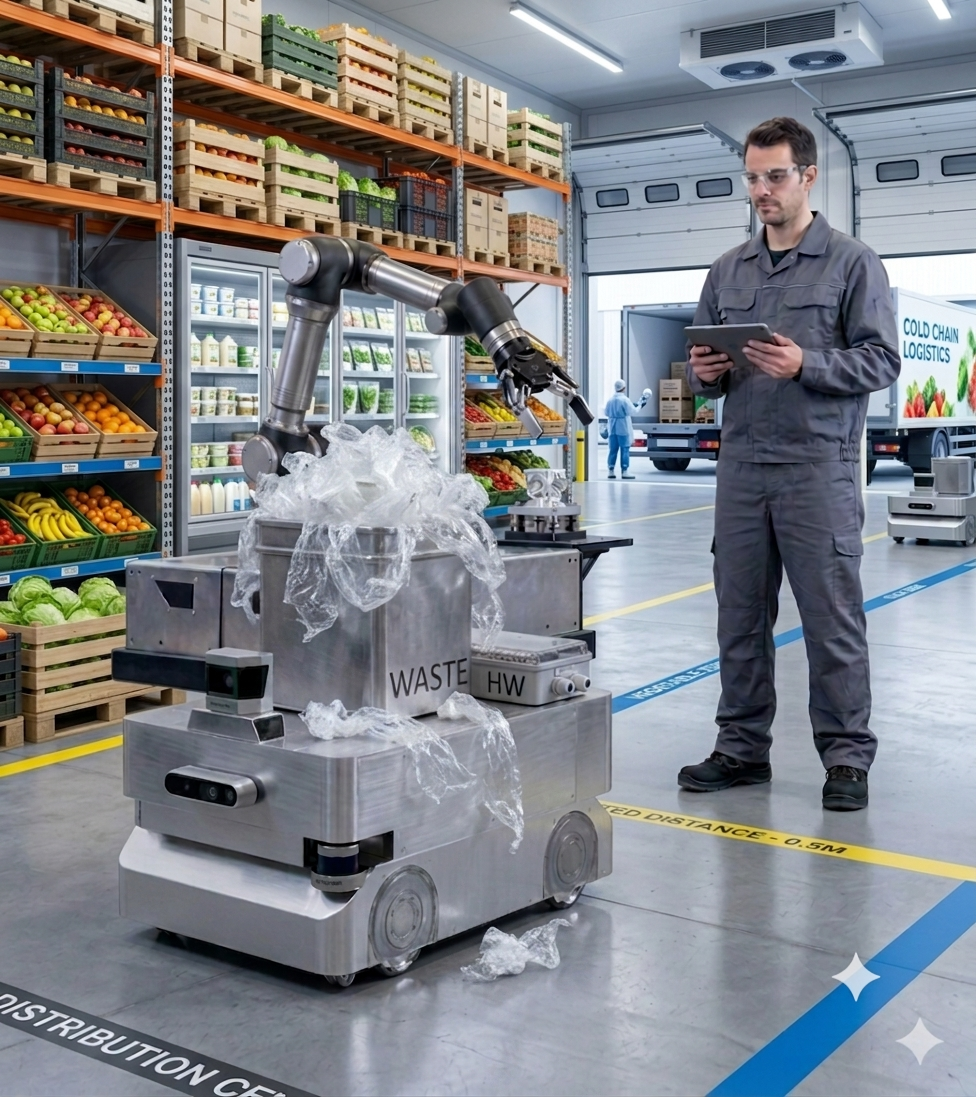
To investigate these questions, TORNADO employs a scenario-based research approach, inviting participants to imagine working alongside robotic systems with different characteristics and behaviours. Through scenarios inspired by the project’s three use cases, covering manufacturing, healthcare, and logistics, we examine how variations in robot performance and transparency may influence people’s perceptions and experiences. These investigations provide a foundation for understanding the human side of robotics and informing the design of the TORNADO technologies and subsequent evaluations in real-world environments. By bringing human factors into the conversation alongside technological innovation, TORNADO aims to support robotic systems that are not only capable of performing their tasks, but also better suited to the people and environments they are designed to serve.